$24.45
$44.5
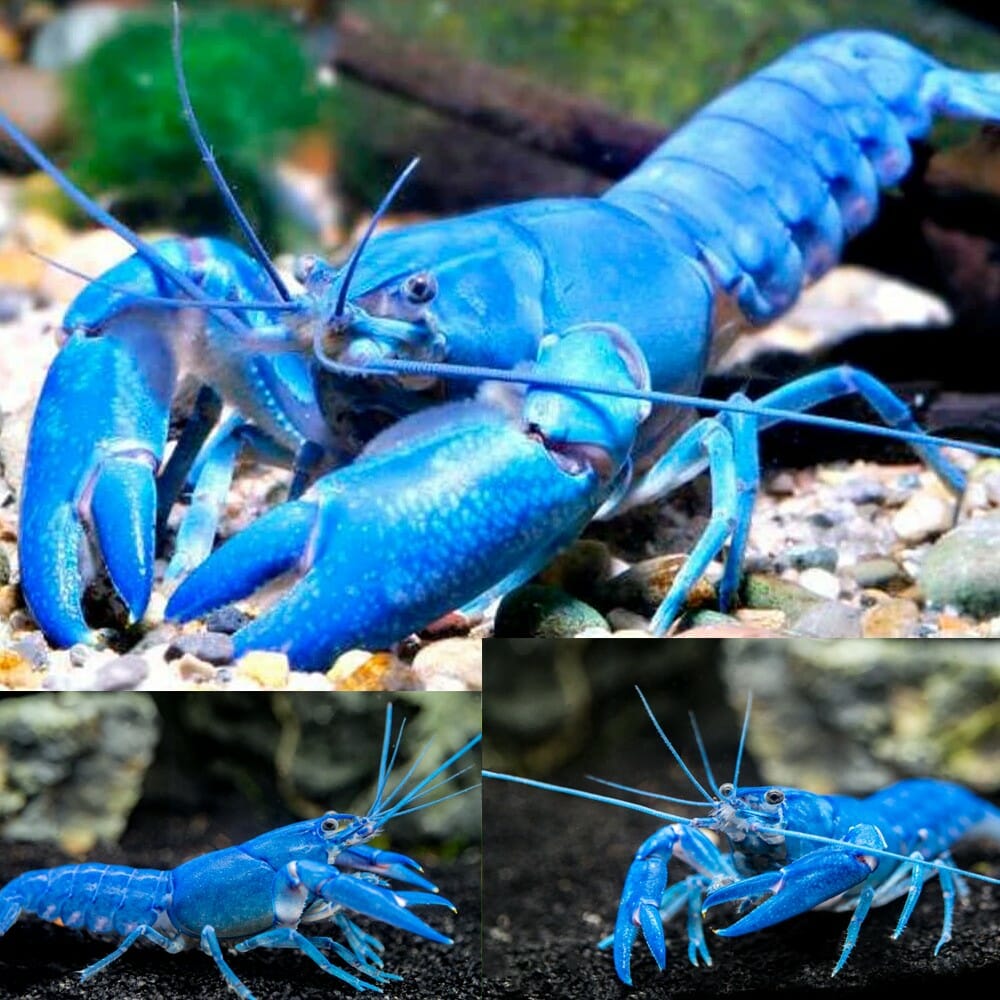
Electric Blue Yabby 6-8cmThe electric blue yabby dazzles with its vibrant blue hue, adding a striking flair to aquariums. This hardy crustacean, native to the Amazon, thrives in varied conditions. Consequently, its unique appearance captivates hobbyists. Moreover, its territorial nature requires thoughtful care. Let’s dive into its requirements to ensure this vibrant yabby flourishes in your tank.AppearanceThe electric blue yabby boasts a slender body with a vivid blue exoskeleton. Its claws, adorned with dense setae, enhance its distinctive look. Additionally, its 10cm current size grows to an impressive 20cm. This crustacean’s bold color shines under aquarium lighting. Thus, it becomes a captivating centerpiece, drawing attention with its unique, vibrant presence.Tank SetupElectric blue yabbies need a 75-liter tank with a secure lid, as they are adept escape artists. Provide ample hides like rocks or pipes to reduce territorial disputes. Maintain a pH of 7.0–8.0 and temperatures from 12°C–20°C. Furthermore, avoid live plants, as yabbies dig and consume them. Strong filtration ensures a clean, stable environment for their health.Ideal Tank MatesElectric blue yabbies suit tanks with hardy, non-aggressive fish like larger tetras or barbs. Avoid other crustaceans or slow-moving species, as yabbies may become territorial. Additionally, ensure tank mates tolerate cooler water. During molting, yabbies are vulnerable, so provide hiding spots. Consequently, careful selection fosters a harmonious tank, minimizing stress for all inhabitants.Diet and FeedingThey thrive on a carnivorous diet. Offer sinking pellets, shrimp, or fish-based foods, supplemented with occasional vegetables. Feed small portions daily to prevent water fouling. Moreover, remove uneaten food promptly to maintain tank cleanliness. This diet supports their vibrant color and robust health, ensuring they remain active and striking in your aquarium.BreedingBreeding electric blue yabbies requires a separate tank with stable water at 12°C–20°C. Females carry eggs under their tails, hatching in 3–4 weeks. Provide hiding spots to protect vulnerable young. However, their territorial nature complicates pairing. Thus, monitor closely to ensure fry safety, as adults may consume them without ample cover or separation.Species OverviewSpecies – Cherax albidusCommon Name – Pearl Blue YabbyOrigin – Northern South America, AmazonDiet – CarnivorousPH Range – 7 – 8Temperature – Cold or Tropical Water 12-20°CBreed Type – Egg LayerCurrent Size – approximately 10cm (Grows to approximately 20cm)Max Size – 20cmTank Size – Minimum 75 litersSex – Un-sexedCritical RequirementsWater Temperature: 12°C–20°C (cooler range preferred)pH Range: 7.0–8.0Water Type: Freshwater (cold or tropical, avoid extremes)Minimum Tank Size: 75 litresFiltration: Strong filtration required to maintain water qualityLid: A secure lid is essential as yabbies are known escape artistsTank Setup GuidelinesSubstrate: Sand or fine gravel to allow natural digging behaviourHides and Structures: Multiple hiding spots using rocks, PVC pipes, or artificial decor are necessary to reduce territorial aggressionPlants: Avoid live plants—yabbies will dig up or eat themWater Flow: Low to moderate flowLighting: Standard aquarium lighting is sufficient; enhances colouration under clear LED lightFeeding GuidePrimary Diet: Sinking carnivorous pellets, shrimp, fish-based foodsSupplementary Foods: Blanched vegetables like zucchini or spinach (occasionally)Feeding Frequency: Once daily in small amountsFeeding Tips: Remove leftovers promptly to prevent water quality issuesCompatibility GuidelinesSuitable Tank Mates: Hardy, fast-swimming, non-aggressive fish such as larger barbs or tetrasAvoid: Other yabbies, small or slow fish, snails, or bottom dwellersMolting Considerations: During molting, yabbies are vulnerable—ensure multiple hiding spots to reduce stress and risk of aggressionGeneral Behaviour: Highly territorial, particularly in confined setups—tank mates must be chosen with cautionFAQsCan electric blue yabbies live with plants? No, they dig and eat plants, so use rocks or artificial decor instead.Are electric blue yabbies prone to escaping? Yes, a secure tank lid is essential to prevent escapes.What should I feed my yabby? Offer carnivorous foods like shrimp or pellets, plus occasional vegetables.Are yabbies sensitive to any treatments? Yes, avoid copper-based medications, as they are harmful to yabbies.Q: Can electric blue yabbies live in planted tanks? A: No, they will uproot and consume live plants. Use artificial plants or rock decor instead.Q: Are yabbies escape-prone? A: Yes, they can climb out of open tanks. A tight-fitting lid is essential.Q: What should I feed electric blue yabbies? A: Provide sinking carnivore pellets, shrimp-based foods, and occasional vegetables such as blanched spinach.Q: Can yabbies be treated with normal fish medications? A: No. Avoid copper-based treatments—they are toxic to crustaceans.Q: Can I breed electric blue yabbies in a home aquarium? A: Yes, but breeding requires close monitoring, a separate tank, and ample hiding spots to protect the young from adult aggression.
Shrimp And Crayfish